Antinol for Dogs: What It Does and How Well It Works
Antinol for Dogs: What It Does and How Well It Works
Disclosure: This page may contain affiliate links, meaning we may earn a small commission if you purchase through them, at no extra cost to you.
If your dog has started slowing down on walks, hesitates at the stairs, or groans getting up from a nap, you’ve probably already tried a few things. Maybe glucosamine. Maybe fish oil. Maybe both, for months, with lukewarm results. Antinol for dogs keeps coming up in those conversations—and for good reason. It’s not just another omega-3 supplement with a different label. The ingredient profile is genuinely different, and that distinction matters when you’re trying to figure out whether it’s worth adding to your dog’s routine.
Here’s a thorough look at what it actually is, what the evidence says, and what you should realistically expect.
What Antinol for Dogs Actually Contains
The active ingredient is PCSO-524, a lipid complex extracted from the New Zealand green-lipped mussel (Perna canaliculus). That sounds like a mouthful, but the important part is what it contains: a broad spectrum of omega-3 fatty acids—including EPA and DHA, which you’ll find in standard fish oil—but also ETA (eicosatetraenoic acid) and OTA (octadecatetraenoic acid), which you generally won’t find in regular fish oil or krill oil.
ETA in particular has attracted scientific interest because it appears to work on a different inflammatory pathway than EPA and DHA. Standard fish oil largely targets COX-2 pathways. ETA acts on the 5-LOX pathway as well. That’s not marketing—it’s basic biochemistry, and it’s why this supplement can’t be fairly compared to standard omega-3 products.
The mussel extract in Antinol for dogs is also delivered in a lipid form that appears to have good bioavailability. The company uses a cold-extraction process to avoid oxidizing the delicate fatty acids, which matters because oxidized fish oils don’t just underperform—they can actually cause low-grade inflammation. So the extraction method isn’t just a production detail; it affects whether the active compounds survive into your dog’s system.
What It’s Used For
The primary application is joint health and mobility. This makes it especially relevant for:
- Senior dogs with osteoarthritis or age-related stiffness
- Large and giant breeds prone to hip and elbow dysplasia
- Dogs recovering from orthopedic surgery where inflammation management is ongoing
- Working or sport dogs who’ve accumulated joint wear over years of activity
Some owners and vets also use it as a preventive supplement for middle-aged dogs in high-risk breeds, starting before clinical signs appear. The logic there is sound: it’s easier to maintain a joint than to rescue one.
Antinol for dogs isn’t a pain medication and doesn’t replace NSAIDs or other veterinary pain management when those are clinically indicated. It works as a complement—reducing the underlying inflammatory load so that other treatments may work better, or so the dog needs less pharmaceutical support over time.
The Evidence Base
A published study from Massey University in New Zealand looked at dogs with osteoarthritis and found measurable improvements in gait and mobility after a loading period on the mussel extract. The research is not extensive by pharmaceutical standards—it’s a supplement, not a drug, and the regulatory bar for clinical trials is lower. But it’s more than most joint supplements can point to.
Vet experience matters here too. This isn’t a product that veterinarians are uniformly skeptical of. A meaningful number of integrative vets and even conventional orthopedic specialists recommend it or at least endorse it as a well-reasoned addition to a joint health protocol. That clinical uptake tells you something.
How the Loading Dose Works
This is where Antinol for dogs differs from most supplements in a practical, important way. There’s a recommended loading phase—a higher dose for the first few weeks—before dropping to a maintenance dose. The reasoning is that the lipid complex needs to build up in tissues to exert its anti-inflammatory effects, and front-loading gets you there faster.
Typical approach:
– Loading phase: Two capsules daily for the first four to six weeks
– Maintenance: One capsule daily after that (some larger dogs stay on two)
Dosing is generally body-weight-based, so a 10-pound senior dog and an 80-pound Labrador aren’t on the same protocol. Check with your vet, especially if your dog is on any medications, including NSAIDs—not because interactions are well-documented as dangerous, but because it’s worth having your vet track the full picture.
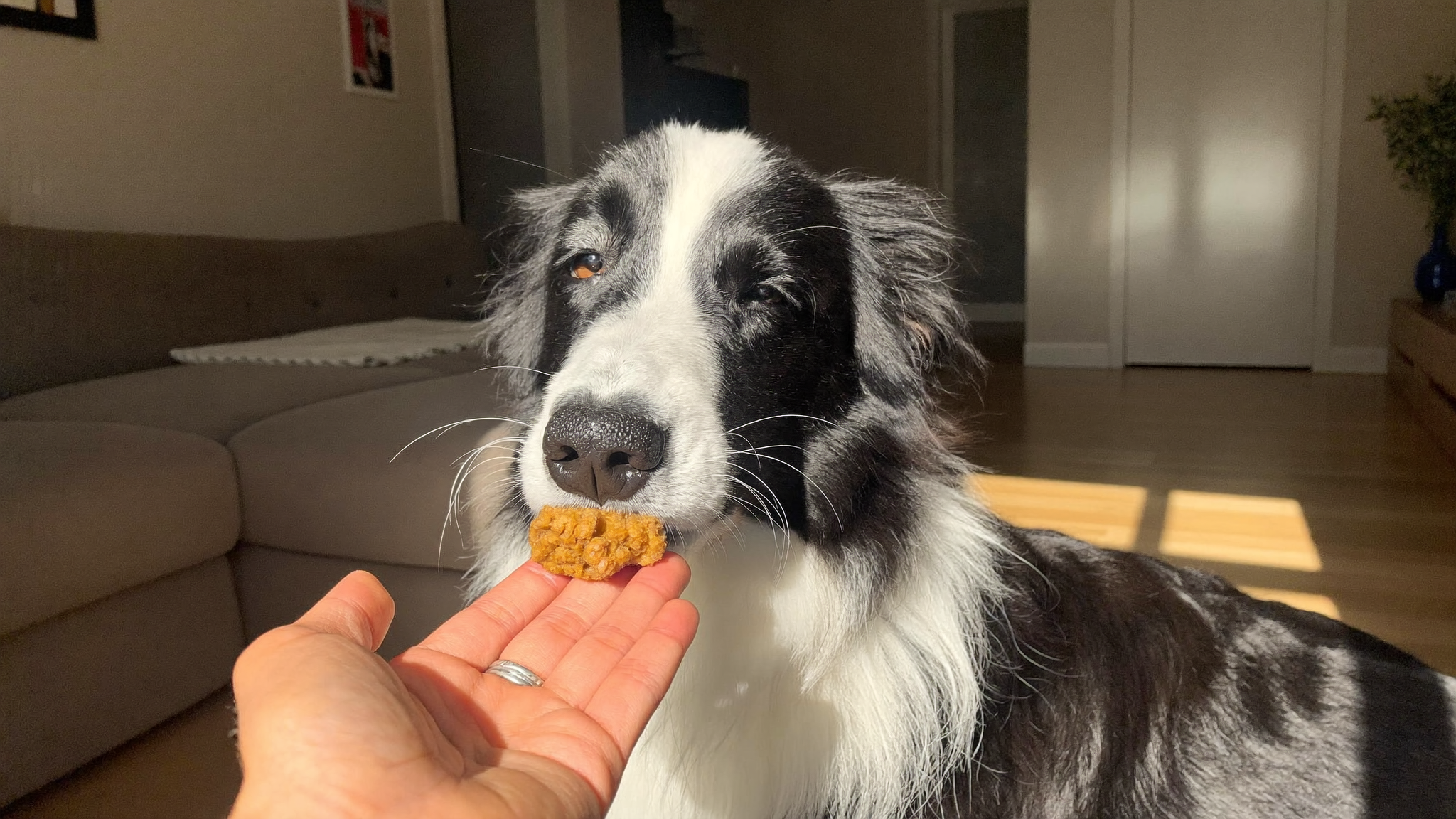
The capsules are soft gels. Most dogs take them readily tucked into a small piece of food. A few dogs are picky about the mussel smell, but genuinely, most owners report no issue.
What to Realistically Expect
Set a timeline. Don’t judge this supplement at two weeks. The loading phase exists for a reason, and the anti-inflammatory effects are cumulative. Most owners who see results report noticing changes somewhere between week four and week eight—easier rising from rest, more willingness to walk, less visible stiffness in the morning.
What you’re likely to see, if it’s working:
– More fluid movement, especially after rest
– Increased interest in activity
– Less stiffness in cold weather or after longer inactivity
– In some dogs, reduced reliance on NSAIDs (work this out with your vet, not unilaterally)
What you’re unlikely to see:
– A dramatic overnight change
– Reversal of structural joint damage
– Pain elimination in dogs with severe, end-stage arthritis without other interventions
Some dogs don’t respond. That’s honest. No supplement works for every animal, and dogs with advanced joint disease or significant pain usually need a multi-modal approach—weight management, physical therapy, veterinary pain management, and supplements as one layer of that stack.
How It Compares to Fish Oil and Glucosamine
Fish oil has decent evidence for general anti-inflammatory support, but the omega-3 concentrations required to hit therapeutic levels for joint disease are high—sometimes higher than standard products provide. And standard fish oil doesn’t contain ETA or OTA.
Glucosamine and chondroitin have been used for decades. The evidence is genuinely mixed. Some dogs respond; many don’t show measurable improvement in controlled studies. They work by providing building blocks for cartilage rather than addressing inflammation directly.
Antinol for dogs takes a different angle—targeting the inflammatory environment in the joint rather than trying to rebuild cartilage. These approaches aren’t mutually exclusive. Some vets use them together.
Side Effects and Safety
The safety profile is well-regarded. Green-lipped mussel is a food-derived ingredient, and adverse effects in dogs are uncommon in the literature and in clinical use. The main considerations:
- Shellfish allergy: Rare in dogs, but if your dog has a documented shellfish sensitivity, discuss with your vet before starting
- GI upset: Occasionally reported in the early days; usually resolves; giving with food helps
- Drug interactions: Not well-studied with all medications; always loop in your vet
There’s no known toxicity at recommended doses.
Practical Notes for Senior Dog Owners
If you’re managing an older dog’s comfort and trying to keep them mobile and comfortable for as long as possible, a few things that sharpen the outcome alongside Antinol for dogs:
- Weight management takes significant pressure off inflamed joints—this is often more impactful than any supplement
- A supportive, orthopedic-style sleeping surface reduces morning stiffness noticeably in many senior dogs
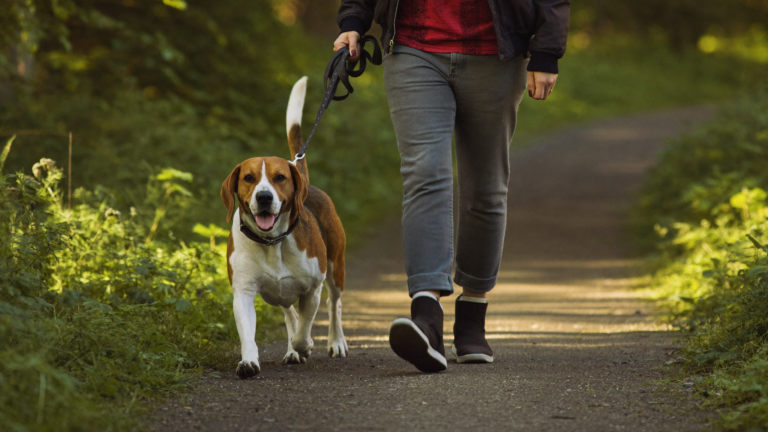
- Gentle, consistent movement—short walks more frequently rather than one long one—keeps joints mobile without overloading them
- Regular vet check-ins to monitor pain levels and adjust the overall protocol
None of these replace each other. The dogs who do best with supplements like this are the ones whose owners are managing the whole picture.
If you’re considering antinol for dogs for an arthritic senior, the evidence is solid enough to make it a reasonable trial. Give it a full loading phase, track the changes deliberately, and decide based on what you actually observe in your dog—not on hope alone.