Senior Dog Age: When Does Your Dog Actually Get There?
Senior Dog Age: When Does Your Dog Actually Get There?
Disclosure: This page may contain affiliate links, meaning we earn a small commission if you purchase through our links, at no extra cost to you.
The question sounds simple. It isn’t. Senior dog age isn’t a single number — it’s a moving target that shifts depending on your dog’s size, breed, and individual health history. Vets, shelters, and pet food companies all use different thresholds, which makes the whole thing more confusing than it needs to be. Here’s what actually matters.
The Short Answer: It Depends on Size
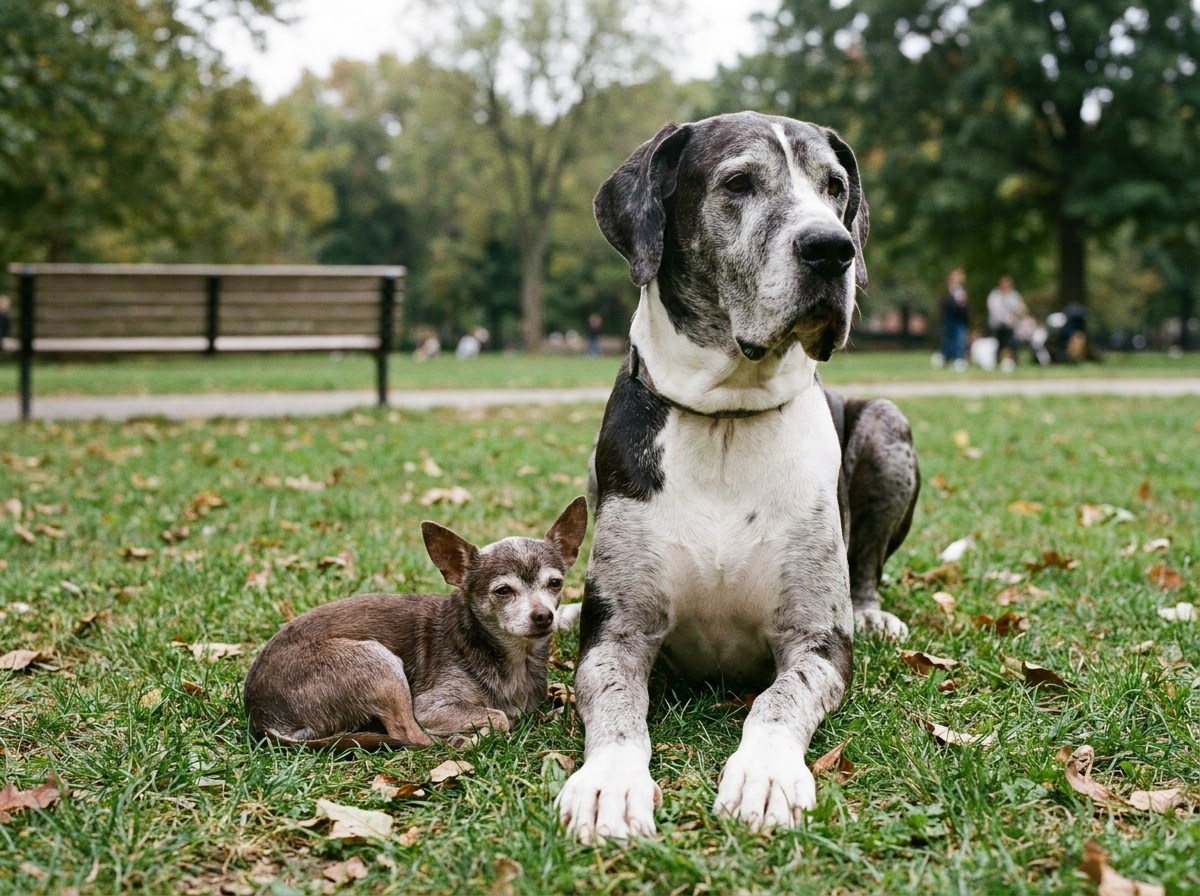
Small dogs (under roughly 20 lbs) typically reach senior status around 10–12 years old. Medium dogs (20–50 lbs) hit that threshold closer to 8–10 years. Large dogs (50–90 lbs) are often considered senior at 7–8 years. Giant breeds — Great Danes, Saint Bernards, Irish Wolfhounds — can be considered senior at just 5–6 years, and their lifespans reflect that. A 6-year-old Great Dane is genuinely middle-aged-to-senior; a 6-year-old Chihuahua is barely past her prime.
The reason for this size gap is still being studied, but the leading explanation is that larger bodies age faster at a cellular level. Giant breeds are essentially running hotter — growth is more intense, metabolic demands are higher, and the cumulative wear shows up sooner.
Why This Number Matters Clinically
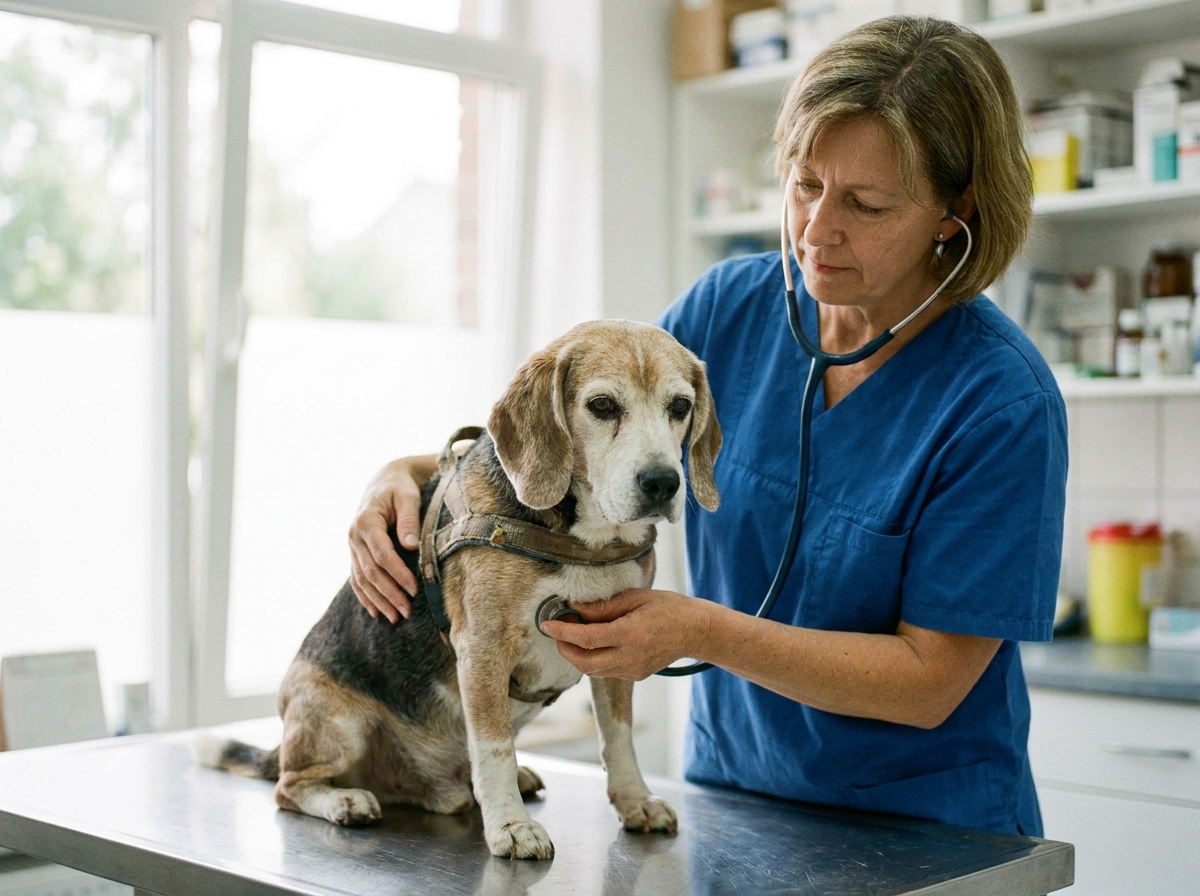
Knowing your dog’s senior status isn’t just a label. It changes how your vet should be approaching preventive care.
Once a dog enters the senior bracket, most vets recommend:
- Biannual wellness exams instead of annual ones
- Baseline bloodwork and urinalysis to catch kidney, liver, and thyroid issues early
- Blood pressure checks, especially in breeds prone to hypertension
- Dental evaluations with more urgency — periodontal disease accelerates organ stress
- Joint assessments to identify early arthritis before it becomes obvious lameness
A dog can look and act completely normal while kidney values are quietly climbing or a thyroid is starting to falter. That’s exactly why the age threshold matters — it’s a trigger for a different level of monitoring, not just a sentimental milestone.
Breed-Specific Nuances Worth Knowing
Size is the primary driver, but breed matters too. Some examples worth knowing:
Labrador Retrievers (55–80 lbs) are statistically prone to obesity-related joint disease and certain cancers. Many vets start discussing senior-focused screening around age 7, even if the dog seems vigorous.
Dachshunds are small, so they age slowly in many respects — but their spinal anatomy (IVDD risk) means spinal evaluations become important around 6–8 years regardless of their overall “senior” classification.
Boxers have a compressed lifespan relative to their medium-large size, with known predispositions to heart conditions and mast cell tumors. Senior monitoring often starts at 6–7 years.
Border Collies and other working breeds tend to maintain cognitive sharpness longer than many other dogs, but joint and eye health deserve attention from about 8 onward.
The point: use the size-based senior dog age guidelines as a starting framework, then layer in what you know about your specific breed.
What “Senior” Actually Looks Like Day to Day
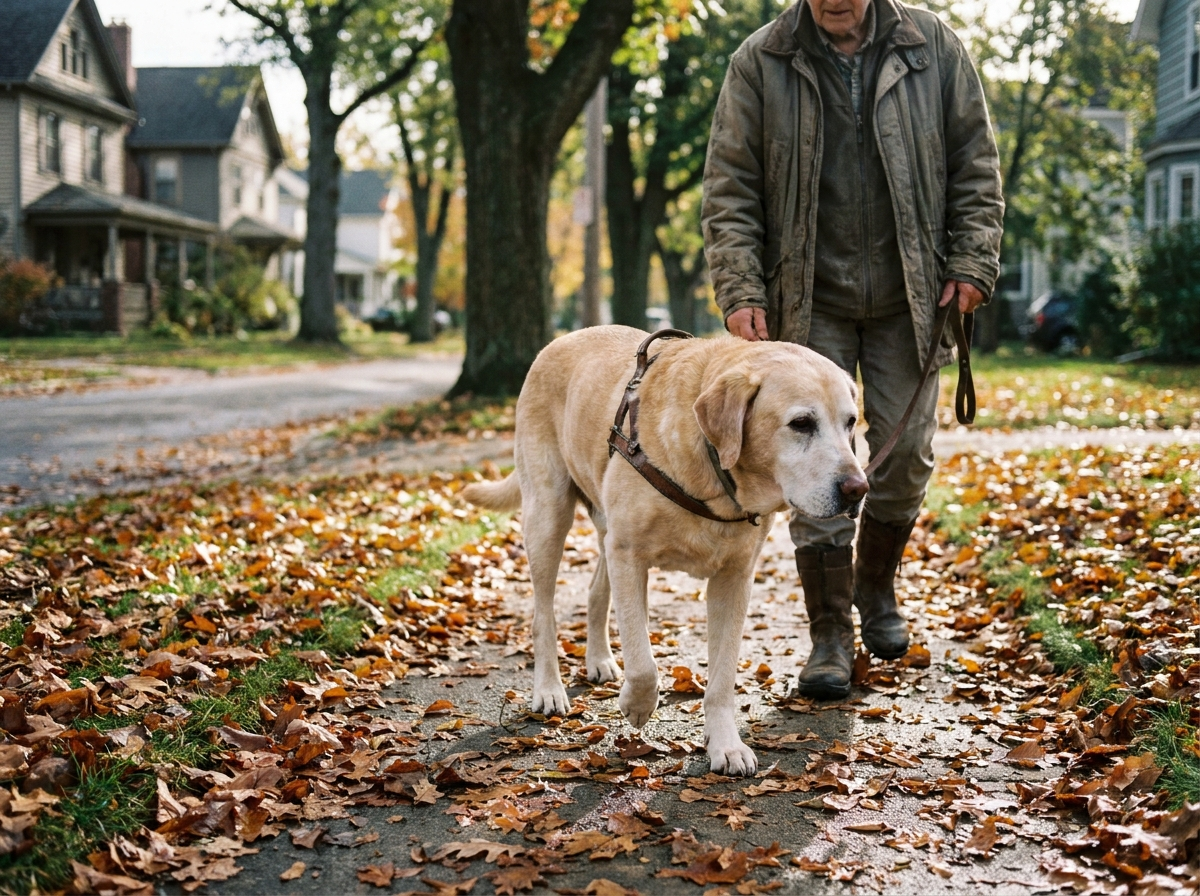
Sometimes the calendar tells you before the dog does. Other times, the dog tells you first.
Common early signs that a dog is moving into their senior phase:
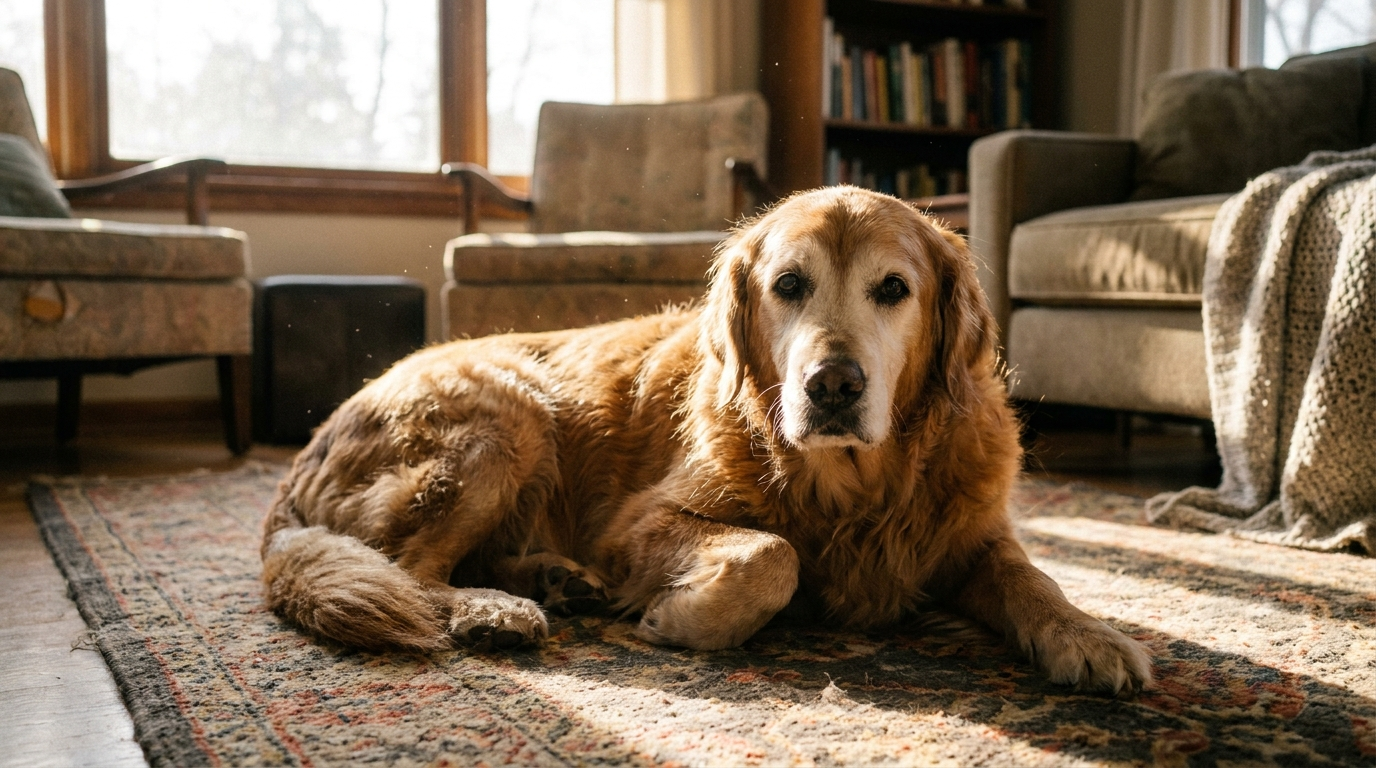
- Greying muzzle and face — this is often the first visible marker and can appear in some dogs as early as 5–6 years
- Slower to rise from lying down, especially in the morning
- Less enthusiasm for long walks but still interested in shorter ones
- Sleeping more, though not lethargically — just preferring rest over activity
- Mild stiffness after car rides or naps on hard surfaces
- Taking longer to find a comfortable position before lying down
None of these alone is alarming. All of them together, especially in a dog approaching their breed’s senior dog age threshold, are a clear signal to book that biannual checkup and have a real conversation with your vet about what to monitor.
Cognitive Changes Are Real and Underreported
Canine cognitive dysfunction (CCD) — sometimes called doggy dementia — affects a significant portion of dogs in their late senior years. Signs include nighttime restlessness, staring at walls, getting “stuck” in corners, forgetting house training, and reduced recognition of familiar people.
This is consistently underreported because owners often assume the behavior is just “old dog stuff.” It isn’t untreatable — environmental enrichment, certain supplements (like those containing phosphatidylserine or medium-chain triglycerides), and in some cases prescription medication can genuinely help. But you have to name it to address it.
Nutrition Shifts at Senior Dog Age
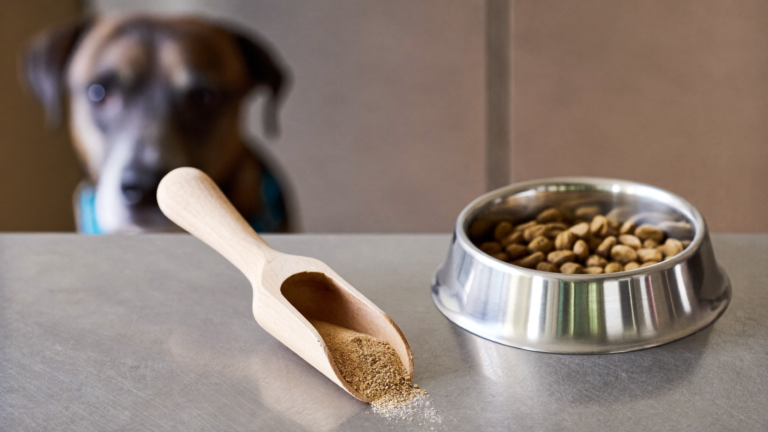
Senior dog food formulas are genuinely different from adult formulas in useful ways — though not every “senior” label delivers on that promise. What legitimately matters nutritionally for older dogs:
Protein: Contrary to older advice, healthy senior dogs do not need reduced protein. In fact, maintaining muscle mass requires adequate protein. Dogs with existing kidney disease are a different situation — that’s a clinical decision, not a blanket rule.
Joint support: Glucosamine and chondroitin added to food or given as a separate supplement have reasonable evidence for supporting joint comfort in dogs with mild-to-moderate arthritis. They’re not miracle compounds, but they’re not snake oil either.
Caloric density: Many senior dogs become less active and gain weight easily. A lower-calorie formula with maintained nutrient density makes sense for dogs trending toward obesity. Others — particularly giant breeds who tend to lose muscle mass — may need calorie-dense food to maintain weight.
Omega-3 fatty acids: EPA and DHA support joint health, coat condition, and cognitive function. Fish oil is the most bioavailable source for dogs. Flaxseed provides ALA, which dogs convert inefficiently — fish oil is the better option.
The “7 Dog Years to 1 Human Year” Rule Is Wrong
While we’re here: that old calculation oversimplifies things dramatically. Research, including a well-publicized study using DNA methylation patterns, suggests dog aging is nonlinear. Dogs mature extremely fast early in life — a 1-year-old dog is developmentally more like a 30-year-old human. Aging then slows somewhat in middle age before accelerating again in true senior years.
This matters because it reinforces the point that senior dog age isn’t just about years lived. It’s about where your specific dog is in their developmental arc.
Practical Steps Once You Know Your Dog Is Senior
- Schedule biannual vet visits if you haven’t already. One exam per year is not enough at this stage.
- Get baseline bloodwork done even if nothing seems wrong. You can’t trend values without a baseline.
- Assess your home for joint accessibility — ramps or steps for furniture, non-slip rugs on hardwood, raised food bowls if your dog has neck stiffness.
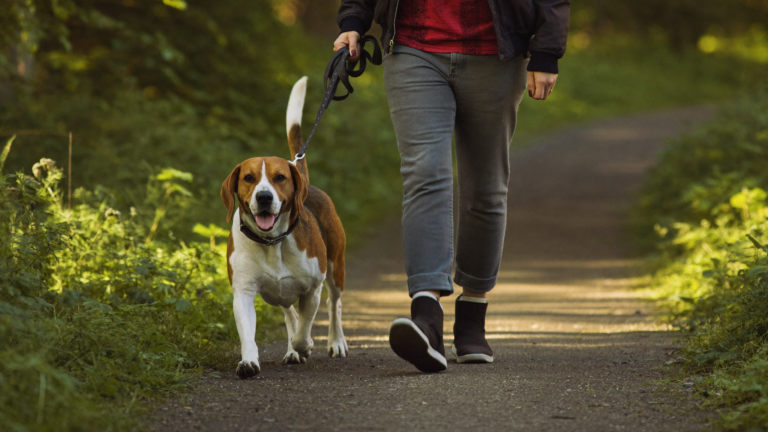
- Adjust exercise to match current capacity — shorter, more frequent walks often serve senior dogs better than one long outing.
- Watch weight carefully. Both obesity and unexpected weight loss deserve attention in senior dogs.
- Keep mental stimulation going. Puzzle feeders, scent work, and short training sessions support cognitive health.
Knowing your dog has hit senior dog age isn’t cause for worry. It’s cause for paying closer attention — and that attention is exactly what lets you catch the things that are manageable early, before they become the things that aren’t.