Glycoflex for Dogs and Cats: What It Does and How It Works
What Glycoflex Actually Is (and Why It’s Everywhere in Senior Pet Care)
Disclosure: This article contains affiliate links, meaning we may earn a small commission if you purchase through our links, at no extra cost to you.
Glycoflex is a joint supplement line formulated specifically for dogs — with a cat version available — built around a handful of ingredients that target cartilage integrity, inflammation, and mobility. It’s one of the most recommended supplements you’ll hear about at a veterinary clinic the moment your dog hits seven or eight years old and starts hesitating at the bottom of the stairs.
But what does it actually do? And does it work well enough to justify adding it to your pet’s routine?
Those are the real questions. Here’s what years of working with senior pets — and watching what helps and what doesn’t — actually looks like from the inside.
The Core Ingredients and What Each One Does
Perna Canaliculus (Green-Lipped Mussel)
This is the ingredient that sets glycoflex apart from a basic glucosamine tablet. Green-lipped mussel, harvested from New Zealand, contains a natural combination of glycosaminoglycans, omega-3 fatty acids, and compounds called ETA (eicosatetraenoic acid) that have shown anti-inflammatory effects in peer-reviewed research. It’s not a cure, but it provides real building blocks for joint fluid and cartilage.
For senior pets, the omega-3 component matters particularly because it works on a slightly different inflammatory pathway than most standard fish oil. You’re getting joint support and mild systemic inflammation reduction from one ingredient.
Glucosamine HCl
Glucosamine is the backbone of most joint supplements. It stimulates the production of glycosaminoglycans — the structural compounds that make up cartilage. In older dogs, cartilage naturally thins and loses its shock-absorbing ability. Glucosamine can’t reverse advanced arthritis, but research suggests it slows the degradation process and helps maintain what’s left.
The HCl form (hydrochloride) is more bioavailable than glucosamine sulfate, which means more of it actually gets absorbed and put to use.
MSM (Methylsulfonylmethane)
MSM is a sulfur-containing compound that supports collagen production and acts as a mild analgesic. Senior dogs with achy joints often show the most noticeable improvement from MSM — not because it rebuilds tissue, but because it takes the edge off discomfort enough for them to move more willingly. And movement is critical. A dog that hurts too much to walk loses muscle mass quickly, which puts even more strain on compromised joints.
DMG (Dimethylglycine)
Not every joint supplement includes DMG. It’s an amino acid derivative that supports cellular energy and oxygen utilization — relevant for aging muscles that fatigue quickly. For a senior dog struggling to get through a walk that used to be effortless, this ingredient addresses something the others don’t.
The Tiered Formula System: Stage 1, 2, and 3
Glycoflex comes in different formula stages, and this is where a lot of pet owners get confused.
The stages aren’t really about age — they’re about the degree of joint support needed.
- Stage 1 is a maintenance formula. Younger adult dogs or those with minimal joint issues who you want to keep healthy.
- Stage 2 adds a higher concentration of Perna canaliculus and other actives. Good starting point for a dog already showing early stiffness.
- Stage 3 is the full-strength version, intended for dogs with significant mobility issues or diagnosed osteoarthritis.
Most senior dogs — those 8 years and older, or large breeds from around 6 — are already candidates for Stage 2 or 3. Starting with the maintenance formula when a dog is visibly struggling is one of the most common mistakes owners make. Talk to your vet about which level matches your dog’s current condition rather than defaulting to the lowest dose.
What Results Actually Look Like (and the Timeline)
This is the part nobody talks about honestly enough.
Joint supplements don’t work like pain medication. You won’t see a difference in 48 hours. The realistic timeline for noticeable improvement is four to eight weeks of consistent daily use. Some dogs show changes sooner — getting up from lying down more easily, resuming interest in short walks — but the full benefit builds gradually as the structural support compounds accumulate.
Here’s what improvement tends to look like in practice:
- Your dog stops groaning or hesitating before standing up
- They’re more willing to go up stairs, even if still cautious
- They resume interest in short play sessions they’d been avoiding
- Their gait looks less stiff in the first ten minutes after waking
If you’ve been consistent for eight weeks and see none of these, the supplement may not be the right fit, or your pet may need veterinary pain management on top of supplementation. Glycoflex isn’t a replacement for anti-inflammatory medications in moderate-to-severe arthritis.
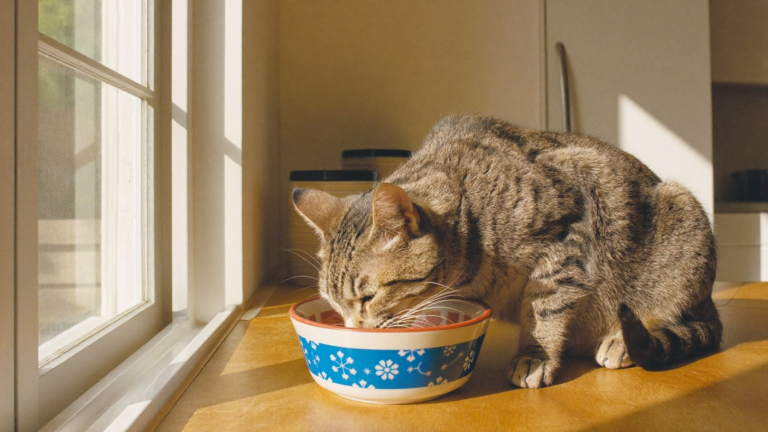
Using Glycoflex with Cats
Cats are harder to assess for joint pain than dogs. They hide discomfort extraordinarily well, and their changes are subtle — less jumping onto furniture they used to love, reluctance to groom areas they can’t easily reach, or sleeping in lower spots.
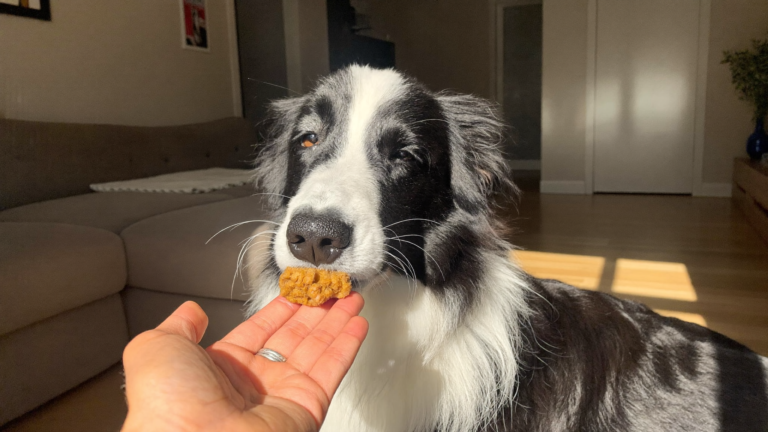
The cat-specific formula is different from the dog version in dosing and palatability. Cats are notoriously resistant to supplements, and the delivery format matters enormously. Chewable tablets designed for dogs are often ignored by cats, so getting the correct feline product — and hiding it effectively in a small amount of a high-value food — is the practical challenge.
Give it three to four weeks before concluding your cat hates it. The adjustment period for cats accepting new supplements is longer than most people expect.
What Glycoflex Won’t Do
Being clear about limitations is just as important as understanding the benefits.
It won’t reverse bone-on-bone arthritis. Once cartilage is significantly degraded, no supplement rebuilds it. What glycoflex can do in advanced cases is slow further degradation and reduce inflammation enough that quality of life improves — but that’s different from cure.
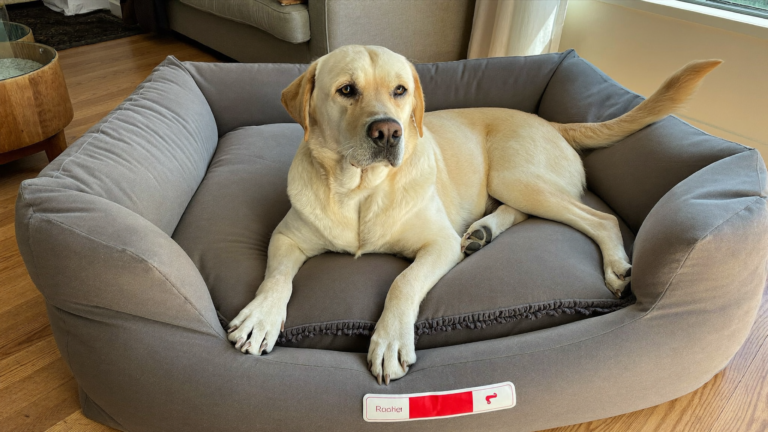
It also won’t eliminate the need for environmental modifications. A senior dog with hip dysplasia needs joint supplements and a supportive orthopedic sleeping surface, ramps instead of steps where possible, shorter more frequent walks instead of one long one, and potentially veterinary pain management alongside supplementation. Supplements are one tool in a system.
Dosing, Safety, and What to Watch For
Glycoflex is generally very well tolerated. The most common complaint is mild gastrointestinal upset when starting — loose stool or occasional vomiting — which usually resolves within a few days if you introduce it gradually. Start with half the recommended dose for the first week.
Safety concerns are minimal for healthy dogs and cats, but there are two exceptions worth knowing:
- Shellfish allergy: Green-lipped mussel is a shellfish. If your dog has a documented shellfish sensitivity, discuss this with your vet before starting.
- Bleeding disorders or anticoagulant medications: The omega-3 content can mildly affect platelet aggregation. Not a concern for most pets, but important if your dog is on blood-thinning medication.
For accurate dosing by weight, follow the product label or your veterinarian’s guidance. Giving more than recommended doesn’t accelerate results.
Combining Glycoflex with Other Support
Supplement combinations that work well alongside glycoflex in senior pets:
- Fish oil (omega-3 supplements): Builds on the anti-inflammatory effect, particularly useful for dogs with inflammatory arthritis
- Adequan injections: A prescription polysulfated glycosaminoglycan that works through a different mechanism — some vets use both together for significant joint disease
- Physical rehabilitation: Veterinary physiotherapy or even structured gentle swimming dramatically improves outcomes when combined with supplementation
What to avoid stacking without vet input: multiple supplements that contain glucosamine, since dosing can inadvertently go excessive. Check every supplement your pet takes for overlapping ingredients before combining.
One practical note: keep a simple log when you start any new supplement. Note your pet’s mobility on a 1–10 scale every two weeks. Subjective memory is unreliable over a two-month period, and a written record helps you actually see whether something is working — or gives your vet useful information if it isn’t.