
VetIQ Hip and Joint: What It Does and How Well It Works
What You’re Actually Getting With VetIQ Hip and Joint
Disclosure: This article contains affiliate links, which means we may earn a small commission if you make a purchase — at no extra cost to you.
If your senior dog has started hesitating at the bottom of the stairs, or your older cat grooms less around the hips and lower back, joint discomfort is often what’s going on. VetIQ hip and joint products get searched a lot by pet owners in exactly that situation — people who want something accessible and affordable before (or alongside) a vet visit. This article covers what these supplements actually contain, what the ingredients can realistically do, and where they fit into a broader care plan for an aging pet.
The Core Ingredients and What They’re Doing
VetIQ hip and joint formulas are built around a familiar stack of joint-support compounds. Understanding each one separately tells you a lot about whether this category of supplement makes sense for your pet.
Glucosamine
Glucosamine is an amino sugar that naturally occurs in cartilage. As dogs and cats age, their bodies produce less of it, and cartilage starts to thin. Supplemental glucosamine — typically derived from shellfish — is intended to support cartilage maintenance and slow that breakdown.
The evidence here is genuinely mixed. Human studies are inconsistent. Canine-specific research is more encouraging, but most vets will tell you the same thing: glucosamine works best as a long-term preventive or early-stage support tool rather than a pain-relief intervention for severe arthritis. If your dog is already struggling significantly, glucosamine alone won’t fix it. But as part of a sustained routine starting in middle age, there’s legitimate reason to include it.
Chondroitin
Chondroitin sulfate is almost always paired with glucosamine, and for good reason. It helps cartilage retain water, which keeps it resilient and cushioned under load. It also has some mild anti-inflammatory properties. Chondroitin is a slow-acting compound — you won’t see a difference in two weeks. Most vets who recommend it say to give it a consistent 6–8 week trial before drawing conclusions.
MSM (Methylsulfonylmethane)
MSM is an organic sulfur compound. It shows up in most mid-tier joint supplements because it’s inexpensive to source and has a reasonably solid reputation for reducing inflammation and supporting connective tissue. Some pet owners notice their dogs seem more willing to move around after adding MSM; others see nothing. It’s not a dramatic compound, but it’s not filler either.
Additional Ingredients
Depending on which specific VetIQ hip and joint product you’re using — they offer chewable tablets, soft chews, and liquid forms — you may also see vitamin C, omega fatty acids, or hyaluronic acid in the formula. Hyaluronic acid is worth noting: it’s a component of synovial fluid, the joint lubricant, and emerging research suggests it may support joint comfort more meaningfully than its reputation implies.
Forms, Palatability, and Real-World Use
VetIQ hip and joint products come in a few formats, and the format matters more than people think — especially with senior pets who can be picky or have dental issues.
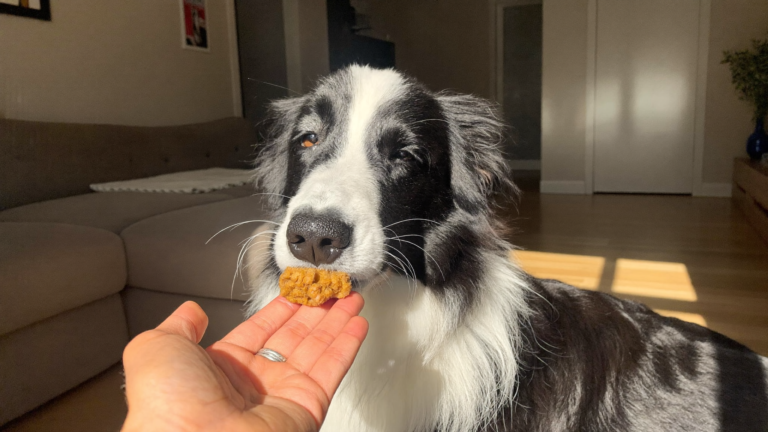
Soft chews are generally the easiest. Most dogs take them as treats without any fuss. The downside is that the dose can be less precise, and some soft chews have added sugars or flavors that aren’t ideal for dogs already managing weight issues. Senior dogs that are already overweight shouldn’t be getting extra calorie-dense treats daily without accounting for it.
Chewable tablets sit in between — they’re firmer, can be crumbled into food, and often have a lower calorie load per dose.
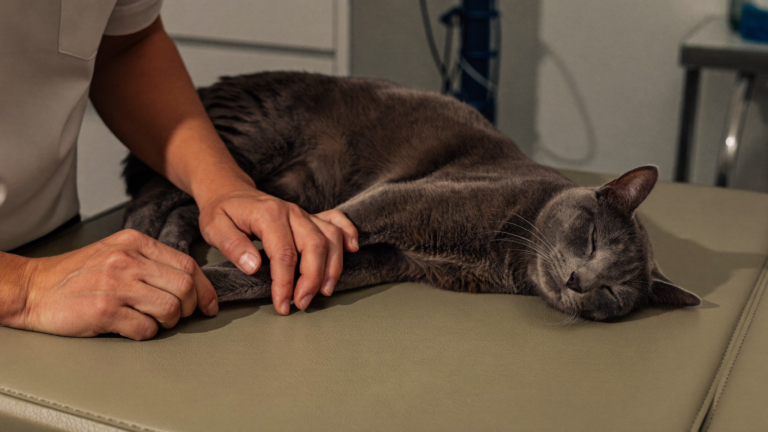
Liquid formulas are genuinely useful for cats, who are notoriously resistant to taking anything in pill or chew form. Mixing a liquid supplement into wet food is usually the path of least resistance. Cats with hip stiffness — often seen in older cats as FIV, kidney disease, or just plain age-related degeneration takes hold — can be difficult to supplement consistently. Liquid changes that.
One practical note: refrigerate liquid supplements after opening. They go rancid faster than you’d expect, and a supplement your cat won’t touch because it smells off is a supplement that isn’t working.
What to Watch For in Your Pet (Not Just the Label)
You don’t need to wait for formal signs of arthritis to start thinking about joint support. Watch for:
- Slower rising from lying down, especially first thing in the morning
- Reluctance to jump up onto furniture or into the car
- A subtle change in gait — shorter stride, stiff rear legs
- Less interest in walks, or lagging behind on routes they used to enjoy
- Cats: less grooming on the back and hindquarters, difficulty using a high-sided litter box
These are the signals that joint mobility is becoming a quality-of-life issue. VetIQ hip and joint supplements are typically aimed at mild-to-moderate cases — the dog who’s slowing down, not the dog who’s already yelping in pain. That distinction matters.
Severe limping, sudden lameness, or a leg that looks swollen or misshapen needs a vet visit, not a supplement.
How Long Until You See Results?
This is the question that trips up most pet owners, and it’s where a lot of joint supplements get unfairly written off.
Glucosamine and chondroitin are not anti-inflammatories in the traditional sense. They don’t work like an NSAID. You are not going to see your dog moving more freely after three days. The timeline for most people who see real improvement is six to eight weeks of consistent daily use. Some report changes sooner; many take longer.
The mistake is stopping at week three because nothing seems different. That’s too early. Keep a simple log — note how your pet moves in the morning, how far they’ll walk, whether they’re using the stairs — and compare week one to week eight. The difference is often clearer in retrospect than in the moment.
With VetIQ hip and joint specifically, the lower price point means some owners are skeptical from the start. Skepticism is fair, but ingredient quality matters more than brand prestige. Check the milligram amounts on the label. A product with a high-sounding name but 50mg of glucosamine per serving isn’t going to help much. Look at what’s actually in the dose.
Supporting Joint Health Beyond the Supplement
Supplements do more when the rest of the environment supports mobility. A few things that genuinely help:
Weight management. This is the single biggest lever most pet owners can pull. Every extra pound on a dog adds multiple pounds of force across joints with every step. If your senior dog is overweight, working with your vet on a controlled weight-loss plan will likely do more for their joint comfort than any supplement on the market — including VetIQ hip and joint.
Surface changes. Hard floors are rough on arthritic joints. Non-slip rugs or runners on hardwood and tile give older dogs traction and reduce the micro-injuries that come from slipping. It’s a cheap, immediate change.
Raised food and water bowls. Bending down repeatedly to eat from a floor-level bowl is surprisingly hard on older dogs with neck and shoulder stiffness. A raised bowl setup reduces strain on the front end.
Low-impact exercise. Joint health doesn’t improve with total rest. Consistent, gentle movement keeps synovial fluid circulating and muscle mass supporting the joint. Short leash walks on soft surfaces — grass, dirt trails — are better than long pavement slogs.
An orthopedic dog bed. Memory foam or supportive foam beds take pressure off hips and elbows during the hours your dog spends resting, which adds up significantly over the course of a day.
A Realistic Assessment
VetIQ hip and joint products are a reasonable starting point for mild joint stiffness in senior pets. The ingredient profile is standard and credible. The forms are practical. The price makes it easy to maintain consistently, which matters because consistency is the whole game with this type of supplement.
They are not a substitute for veterinary care if your pet is in significant pain. And they’re not magic. But as part of a thoughtful routine — combined with weight management, movement, and a supportive home environment — they’re worth the consistent try.
If you’ve been through six to eight weeks and seen no change at all, that’s useful information too. Bring it to your vet. There are prescription-strength options, laser therapy, acupuncture, and other interventions that may be appropriate depending on what’s actually going on with your specific animal.