Elderly Dog Care: A Practical Guide for Aging Dogs
Elderly Dog Care: A Practical Guide for Aging Dogs
Disclosure: Some links in this article are affiliate links, meaning we may earn a small commission if you purchase through them, at no extra cost to you.
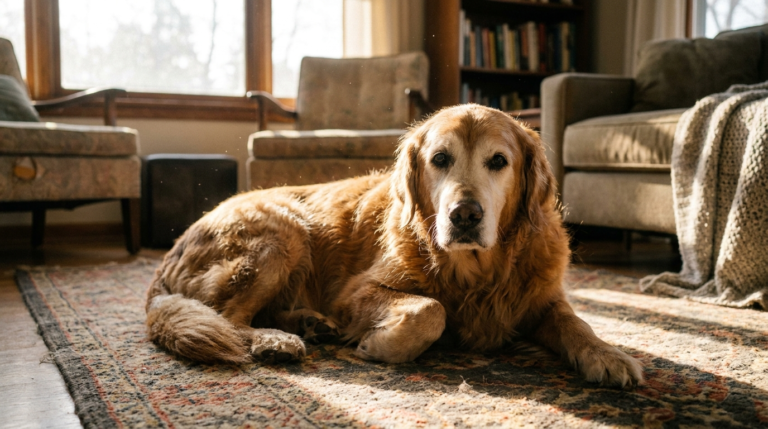
There’s a specific moment most dog owners recognize. Your dog hesitates at the bottom of the stairs. Gets up from a nap slower than usual. Sleeps through something that would have sent them sprinting to the window two years ago. That moment is when elderly dog care stops being abstract and becomes urgent and personal.
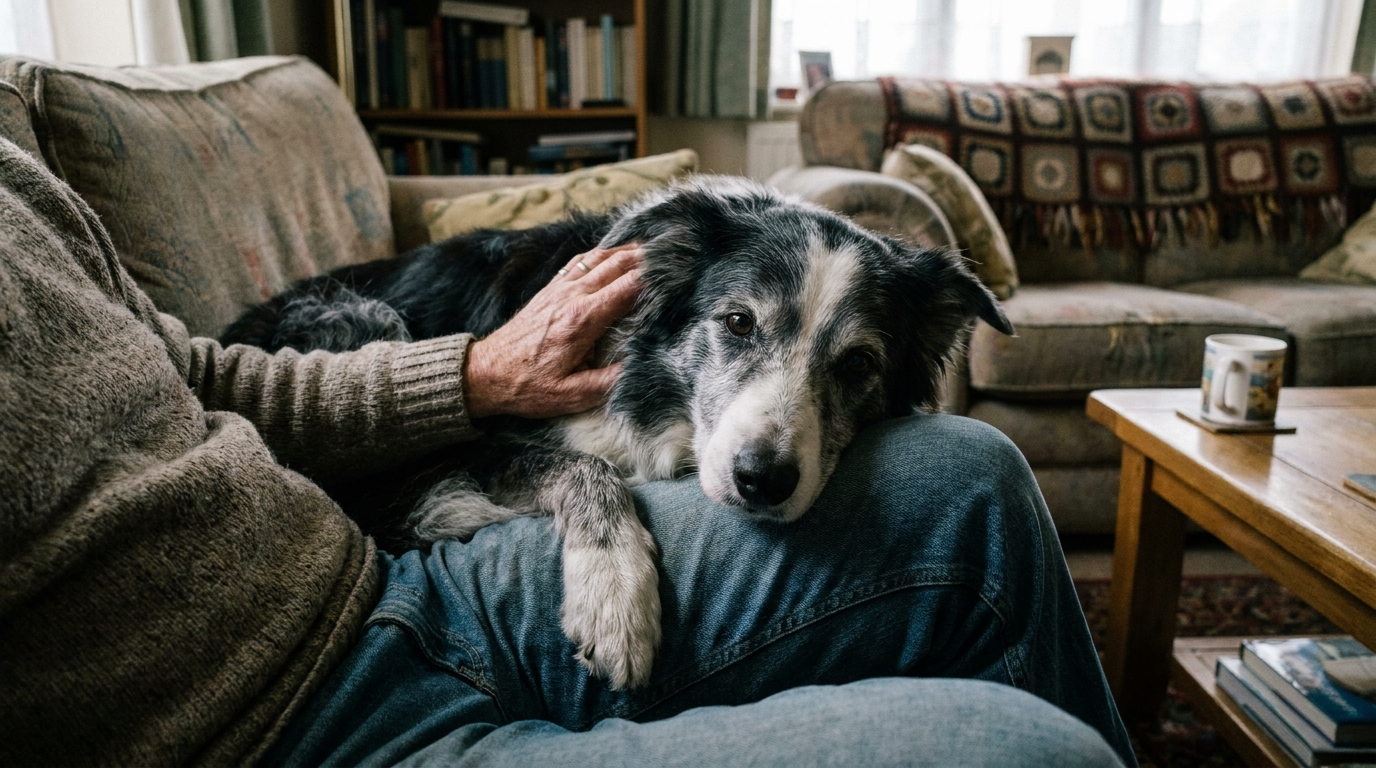
Senior dogs don’t need to be coddled into a quiet, diminished life. Most of them want to engage, play, eat well, and stay close to you — they just need smarter support to do it comfortably. Here’s what that actually looks like, day to day.
When Does “Senior” Start?
The old “seven dog years to one human year” rule is too blunt to be useful. A Great Dane is geriatric at six or seven. A Chihuahua might not be considered senior until ten or eleven. As a rough guideline: large and giant breeds enter their senior years around six to eight; small and medium breeds around eight to ten.
Breed and individual health history matter more than age on paper. A well-exercised, lean ten-year-old Border Collie may be physically sharper than an overweight eight-year-old Lab. Know your dog, not just their birthday.
Vet Care: The Schedule Actually Changes
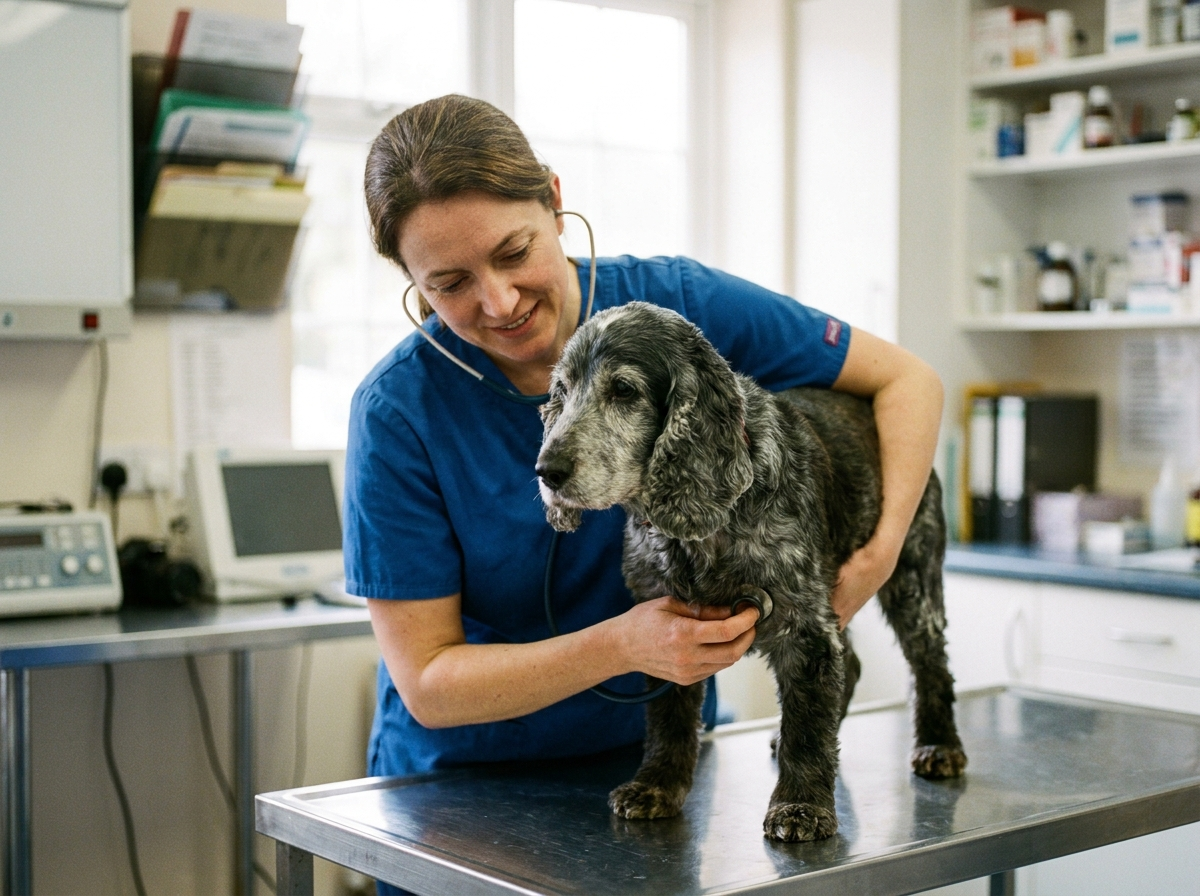
Once-a-year checkups made sense when your dog was young and healthy. Senior dogs need twice-yearly wellness exams — not as a formality, but because conditions like kidney disease, hypothyroidism, heart changes, and early arthritis can progress significantly in six months.
What Those Exams Should Include
A thorough senior wellness visit isn’t just a once-over and a vaccine update. Ask your vet about:
- Blood panel and urinalysis. Kidney and liver function, thyroid levels, blood glucose, red and white blood cell counts. This is the baseline you need to catch problems early.
- Blood pressure. Often overlooked, hypertension is common in older dogs and contributes to kidney and eye damage.
- Dental assessment. Periodontal disease is painful, affects eating, and has downstream effects on organ health. Many owners don’t realize their dog is in dental pain because dogs hide it well.
- Joint and mobility evaluation. A hands-on assessment of range of motion and pain response tells you more than watching your dog walk across the room.
Don’t wait for visible symptoms to request these. The whole point of geriatric screening is to find problems before they announce themselves.
Recognizing Pain in Senior Dogs
Dogs are famously stoic. By the time a dog is obviously limping or crying out, they’ve often been uncomfortable for months. Subtler signs that your elderly dog is in pain:
- Sleeping more, but in different positions than usual (avoiding pressure on a sore joint)
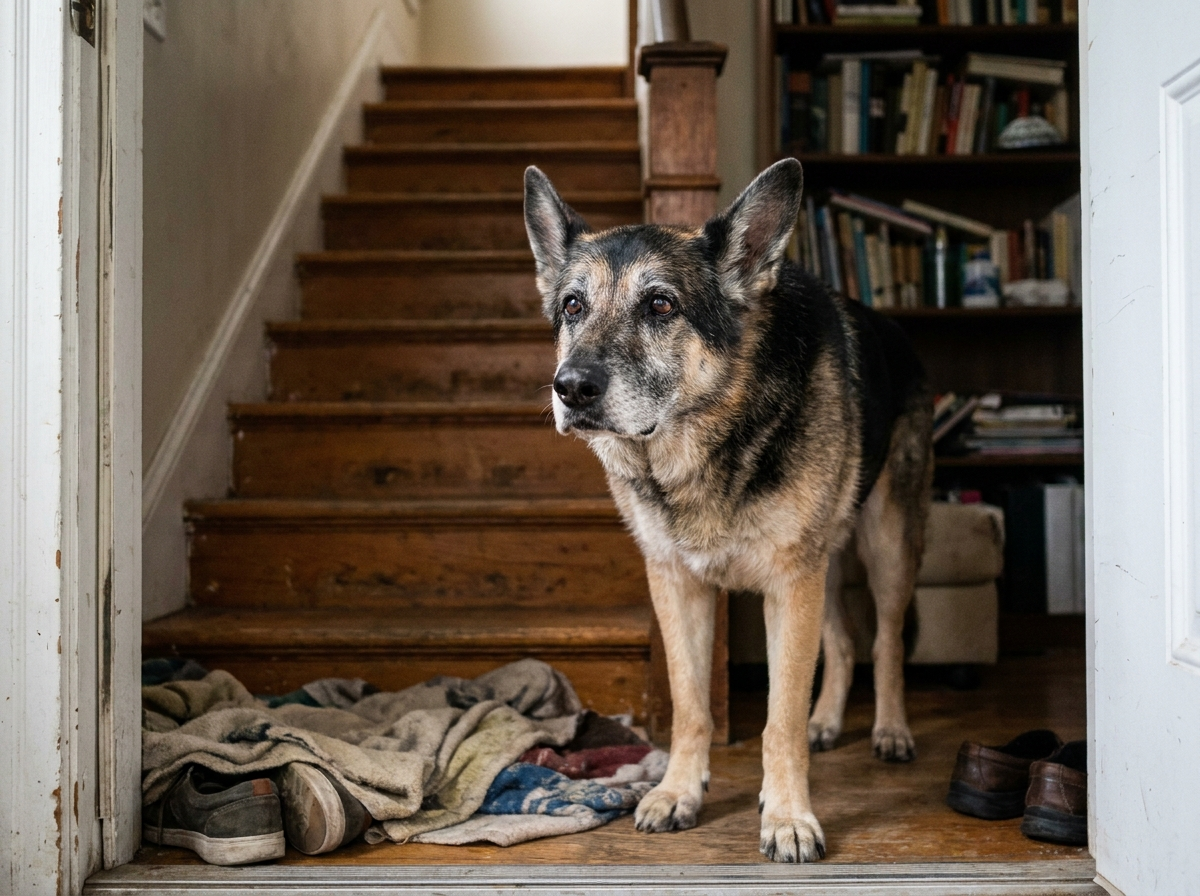
- Reluctance to jump up or go up stairs they used to take easily
- Snapping or growling when touched in a specific area — especially unexpected from a normally gentle dog
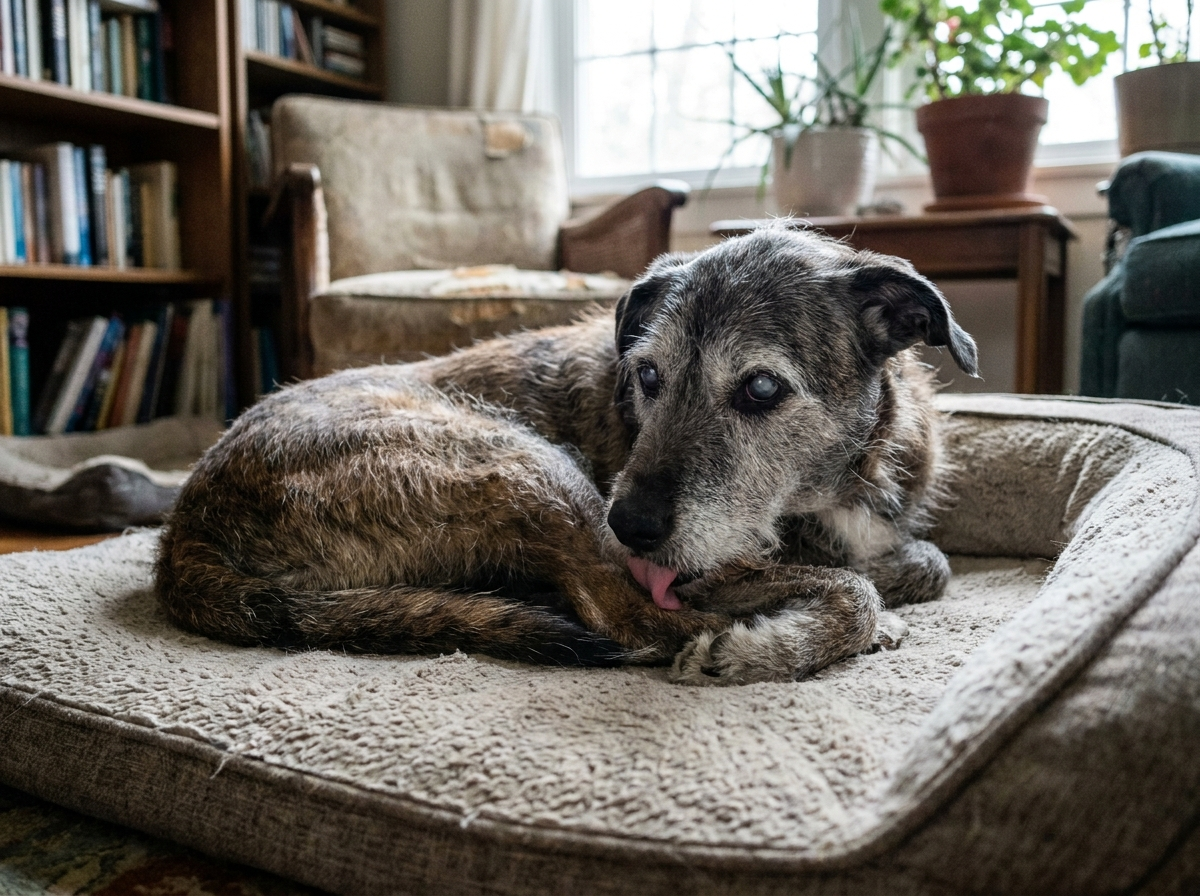
- Licking or chewing a joint repeatedly
- A generally flatter, less engaged mood
- Changes in gait: shorter stride, stiffness when first getting up, a subtle “head bob” while walking
Arthritis is the most common culprit, but not the only one. Dental pain, ear infections, and even cognitive dysfunction (which can look a lot like depression) can all change a dog’s behavior and comfort level.
If you notice these signs, don’t chalk them up to “just getting old.” Old age isn’t a diagnosis. Pain is treatable.
Nutrition for Older Dogs
Senior dog food formulas are not a gimmick, but they’re also not all created equal. The key changes older dogs often need:
Protein. The outdated advice to restrict protein in senior dogs to protect kidneys has been largely reversed. Most healthy senior dogs actually benefit from higher protein to maintain muscle mass. Muscle loss (sarcopenia) is a real problem in aging dogs and makes everything harder — mobility, metabolism, immune function.
Calories. Many older dogs become less active and gain weight, which worsens joint pain and stresses the heart. A few become underweight as metabolism or dental issues reduce appetite. Weigh your dog regularly and adjust accordingly. Body condition score — looking at and feeling the ribs, waist, and hip bones — matters more than the number on the scale.
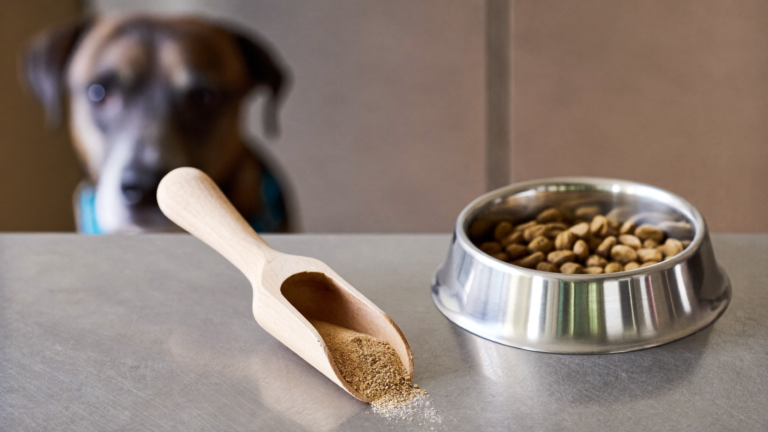
Joint supplements. Fish oil (omega-3 fatty acids) has solid evidence behind it for joint inflammation. Glucosamine and chondroitin have mixed research but are broadly considered safe and help some dogs noticeably. If you’re going to try them, give it eight to twelve weeks before deciding if they’re working.
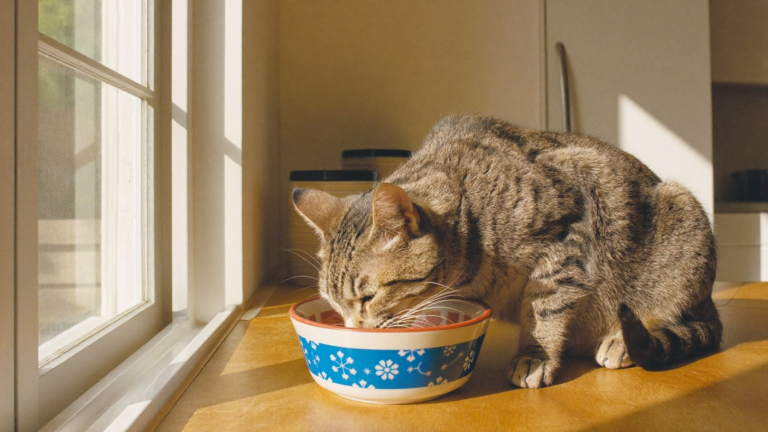
Hydration. Older dogs are prone to dehydration and kidney stress. Wet food, a pet water fountain, or adding a splash of low-sodium broth to dry food can all encourage drinking.
Avoid obesity at all costs. Extra weight is one of the most damaging things for an aging dog’s joints, heart, and longevity. It’s also one of the most correctable.
Mobility and Environment
Good elderly dog care is partly about medical management and partly about reshaping the dog’s physical environment to reduce strain.
Small Changes That Make a Big Difference
Orthopedic beds. A quality memory foam or orthopedic dog bed genuinely reduces joint pressure overnight. This isn’t marketing — it’s the same reason humans with arthritis are told to sleep on supportive mattresses.
Ramps and steps. If your dog sleeps on your bed or gets into the car, a ramp removes the impact of jumping. Most senior dogs adjust to them quickly.
Non-slip flooring. Hardwood and tile are brutal for dogs with weakened hindquarters. Yoga mats, rubber-backed rugs, or peel-and-stick carpet squares in the routes your dog travels most can significantly reduce slipping and the anxiety it causes.
Food and water bowl height. For large breeds or dogs with neck or shoulder stiffness, slightly elevated bowls reduce strain. For small breeds, this matters less.
Warmth. Older dogs feel cold more and are stiffer in cold weather. A dog coat for winter walks isn’t indulgent; it’s practical.
Exercise: Less Is Not Always More
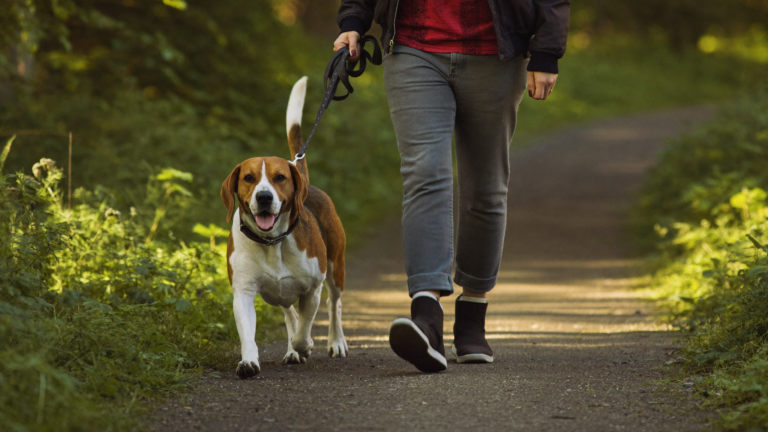
The instinct to let an older dog rest more is understandable but often wrong. Moderate, consistent exercise preserves muscle, keeps joints lubricated, supports digestive function, and maintains cognitive sharpness. A dog that stops moving deteriorates faster.
The key is appropriate exercise, not reduced exercise across the board.
- Shorter walks more frequently, rather than one long demanding walk
- Swimming or hydrotherapy for dogs with significant arthritis — excellent low-impact option
- Sniff-heavy, slower-paced outings that provide mental stimulation without physical demand
- Gentle play, puzzle feeders, and training games to keep the brain engaged
Watch for signs that you’ve pushed too hard: excessive stiffness the next morning, reluctance to go out, labored breathing. Back off slightly and find the right baseline.
Cognitive Dysfunction: The Canine Dementia Conversation
Canine cognitive dysfunction syndrome (CDS) is more common than most owners realize. Signs include:
- Disorientation in familiar spaces
- Staring at walls or getting “stuck” in corners
- Disrupted sleep cycles (awake and restless at night)
- Forgetting house training
- Reduced interest in people or play
- Anxiety that seems to appear out of nowhere
This is a real neurological condition, not just “acting weird.” It won’t reverse, but it can be slowed. Prescription medications exist that some dogs respond to well. Environmental enrichment, consistent routines, and even certain supplements (like medium-chain triglyceride oils) show some promise. Bring it up with your vet if you’re seeing these signs — a lot of owners suffer through it quietly because they assume nothing can be done.
Watching Quality of Life Honestly
One of the hardest parts of caring for a senior dog is assessing quality of life without letting grief cloud your judgment in either direction. Are they still having more good days than bad? Do they still seek connection, show interest in food, engage with the world in some meaningful way?
A simple journal — noting appetite, mobility, engagement, and pain signs each day — cuts through the emotional fog. It gives you actual data to discuss with your vet rather than impressions shaped by your best or worst moments together.
Elderly dog care at its core is about sustained attention: noticing what’s changing, acting on it early, and adjusting the environment and routine to match where your dog actually is — not where they used to be. The dogs who thrive longest in their senior years almost always have owners who are paying close attention.